
With over a decade of experience in historic and experimental photography, I offer specialist tuition and one-to-one mentorship for artists, photographers and creative professionals at all levels.
My teaching experience includes collaborations with the British Museum, Royal Botanic Gardens Kew and University of the Arts London, alongside supporting professionals from institutions such as Tate, the BBC and the V&A.
Sessions are tailored to your interests, from learning wet plate collodion and alternative photographic processes to developing conceptual projects, exploring personal histories, materiality and photographic storytelling. Whether you are beginning with a new technique, refining an established practice or developing work for exhibitions and grant-funded projects, I offer both technical expertise and critical guidance in my artist studio and darkroom in West London.
GROUP WORKSHOPS

ONE-TO-ONE DAY COURSE & PROJECT MENTORING: WET COLLODION


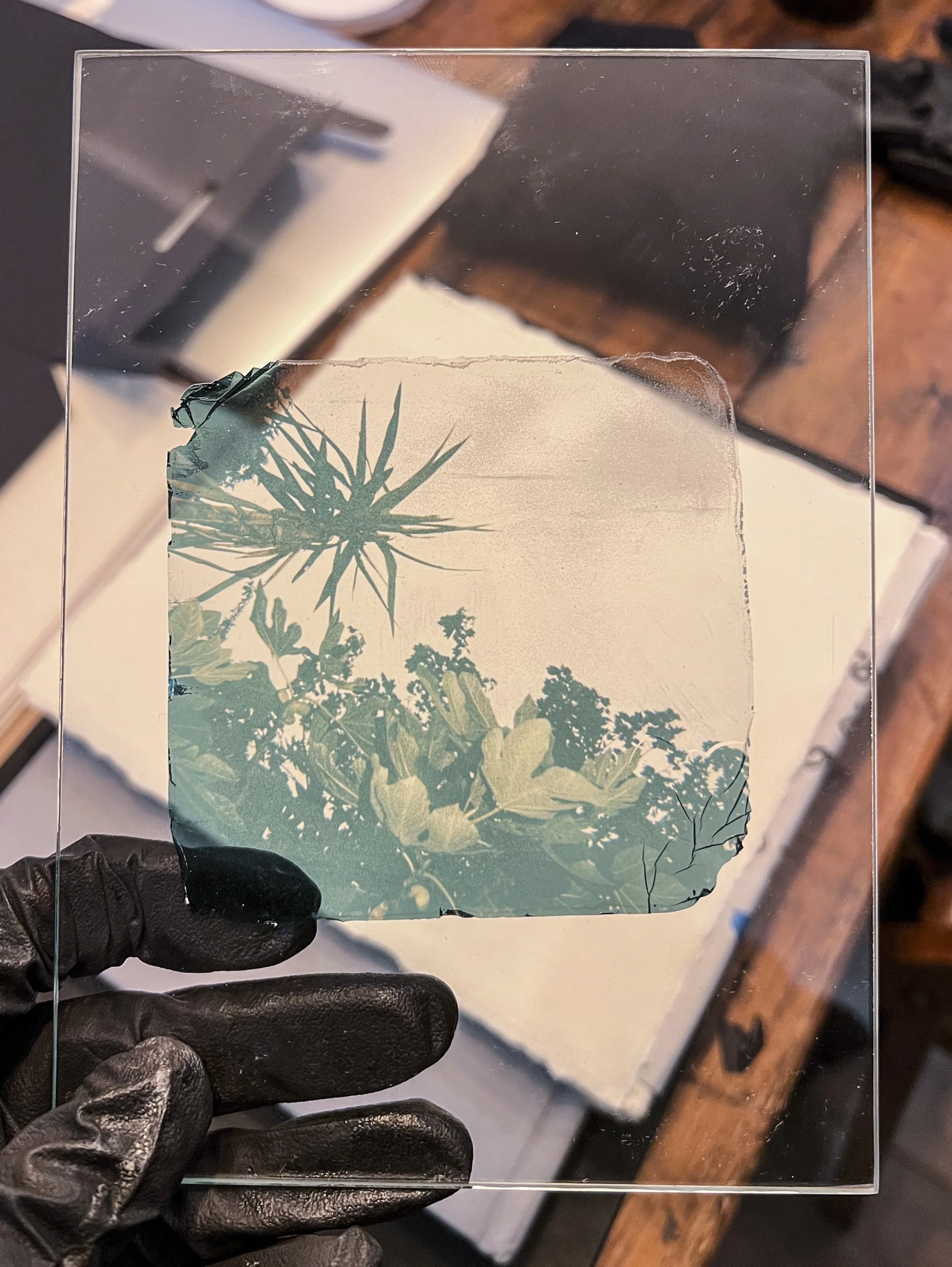
A tailored one-to-one session introducing wet plate collodion. Learn the technical foundations of creating unique handmade photographs on glass or metal.
Sessions can be adapted to your experience and interests, with a focus on mastering a technique, experimenting with materials or developing an existing artistic project.
Find full agenda here. The same day rate applies to other photographic processes or a combination of techniques. Priced at 495 GBP .
ONE-TO-ONE SHORT COURSE & PROJECT MENTORING

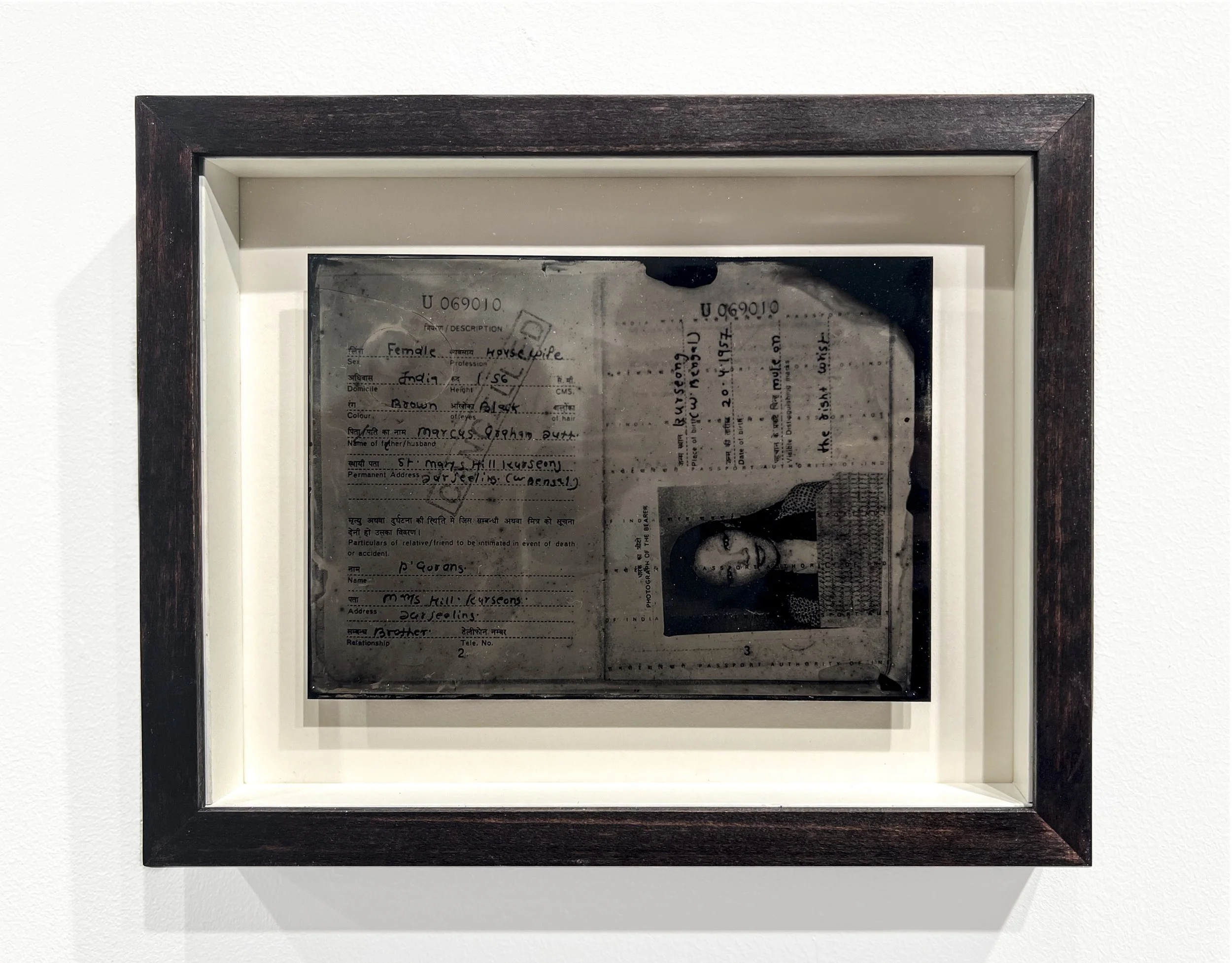

An in-depth, one-to-one course combining specialist technical training with creative and conceptual project development.
Designed for artists and photographers seeking a more comprehensive understanding of historic photographic processes, the sessions offer time for experimentation, technical refinement, troubleshooting and exploring the relationship between material, process and meaning.
Suitable for all experience levels, with content tailored to your practice, research interests and artistic goals.
Priced at 795 GBP. Terms&Conditions
TECHNIQUES I TEACH
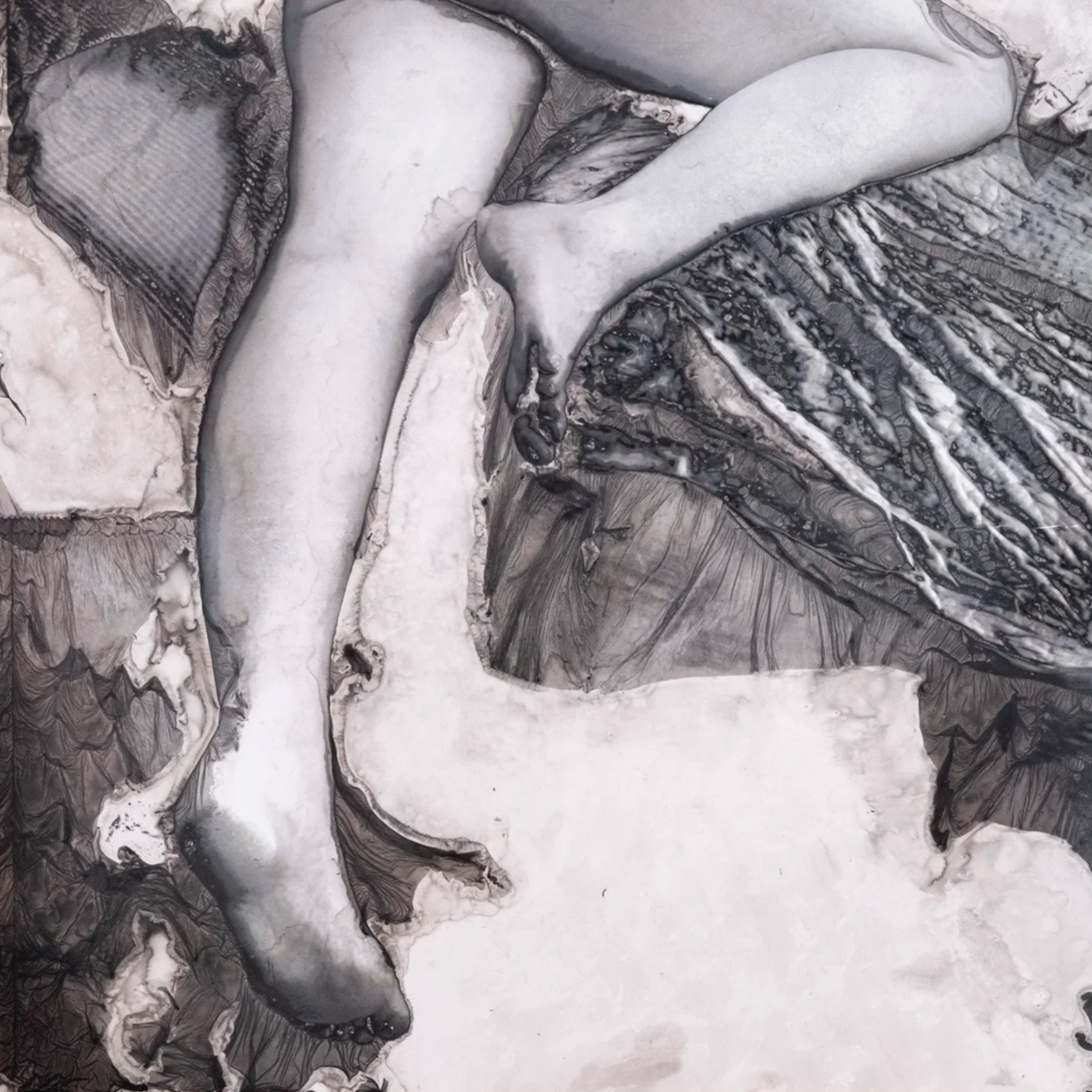
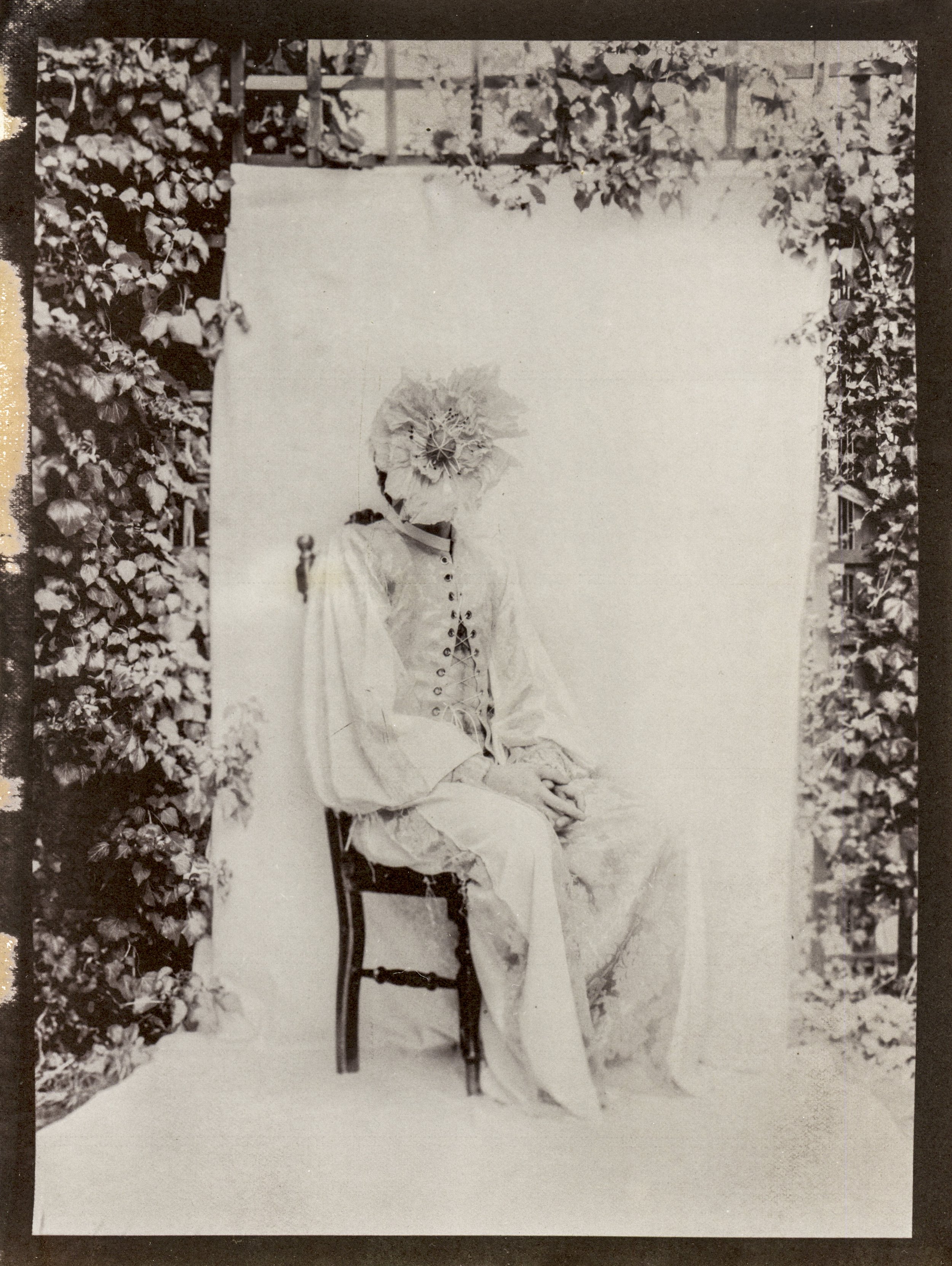
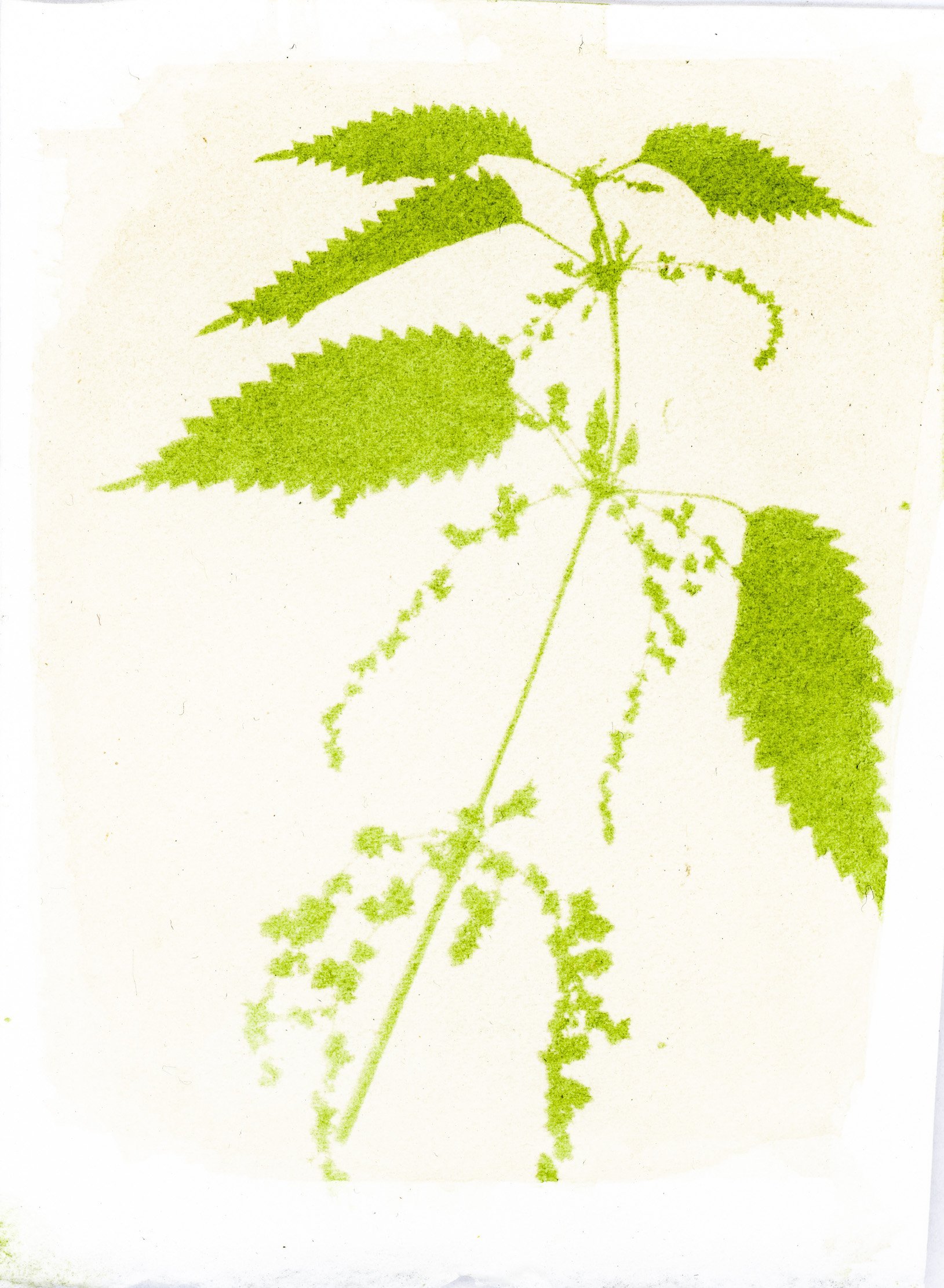
I specialise in heritage photographic processes and lead sessions at all levels, providing bespoke mentoring and project support across a large range of techniques.


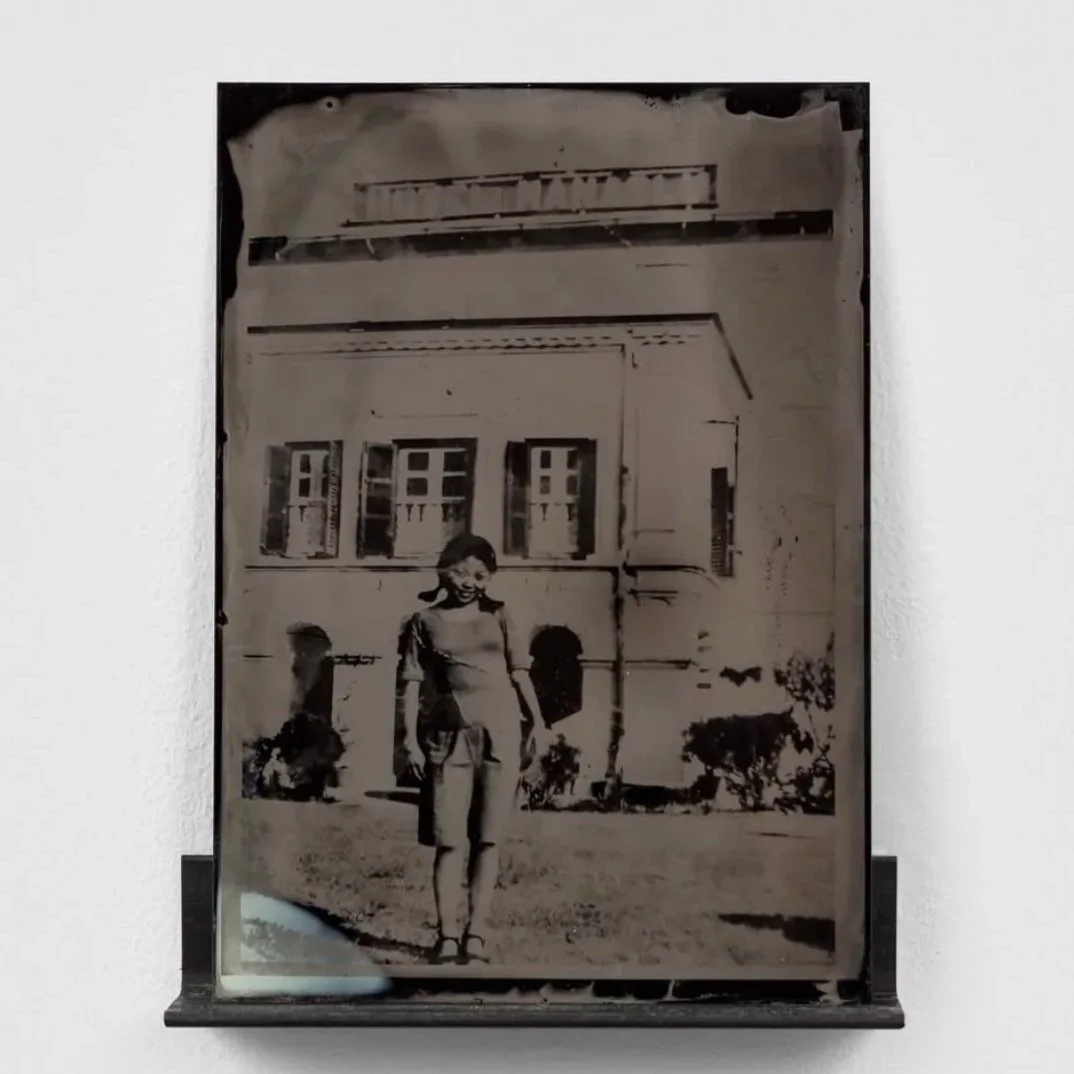
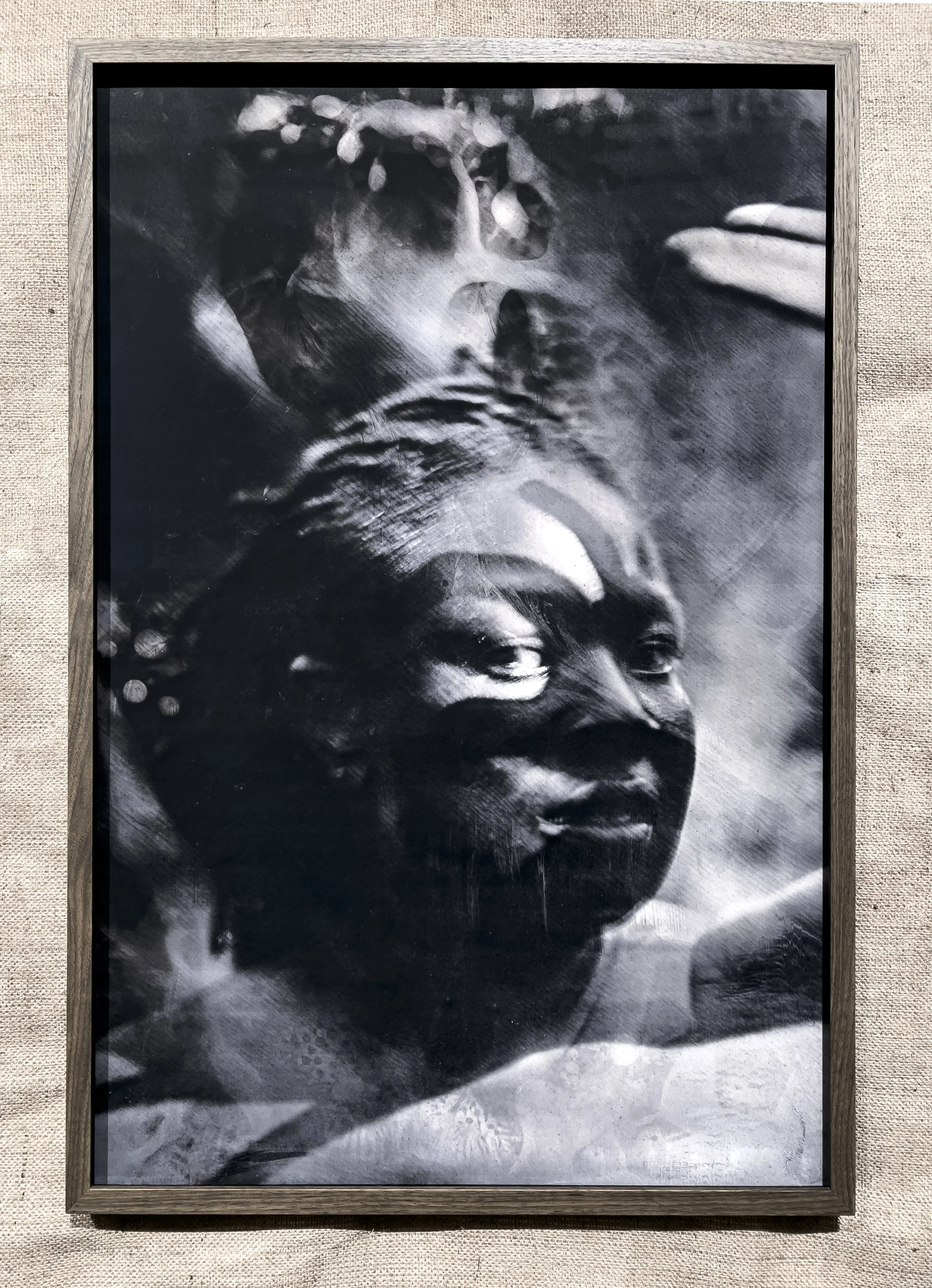
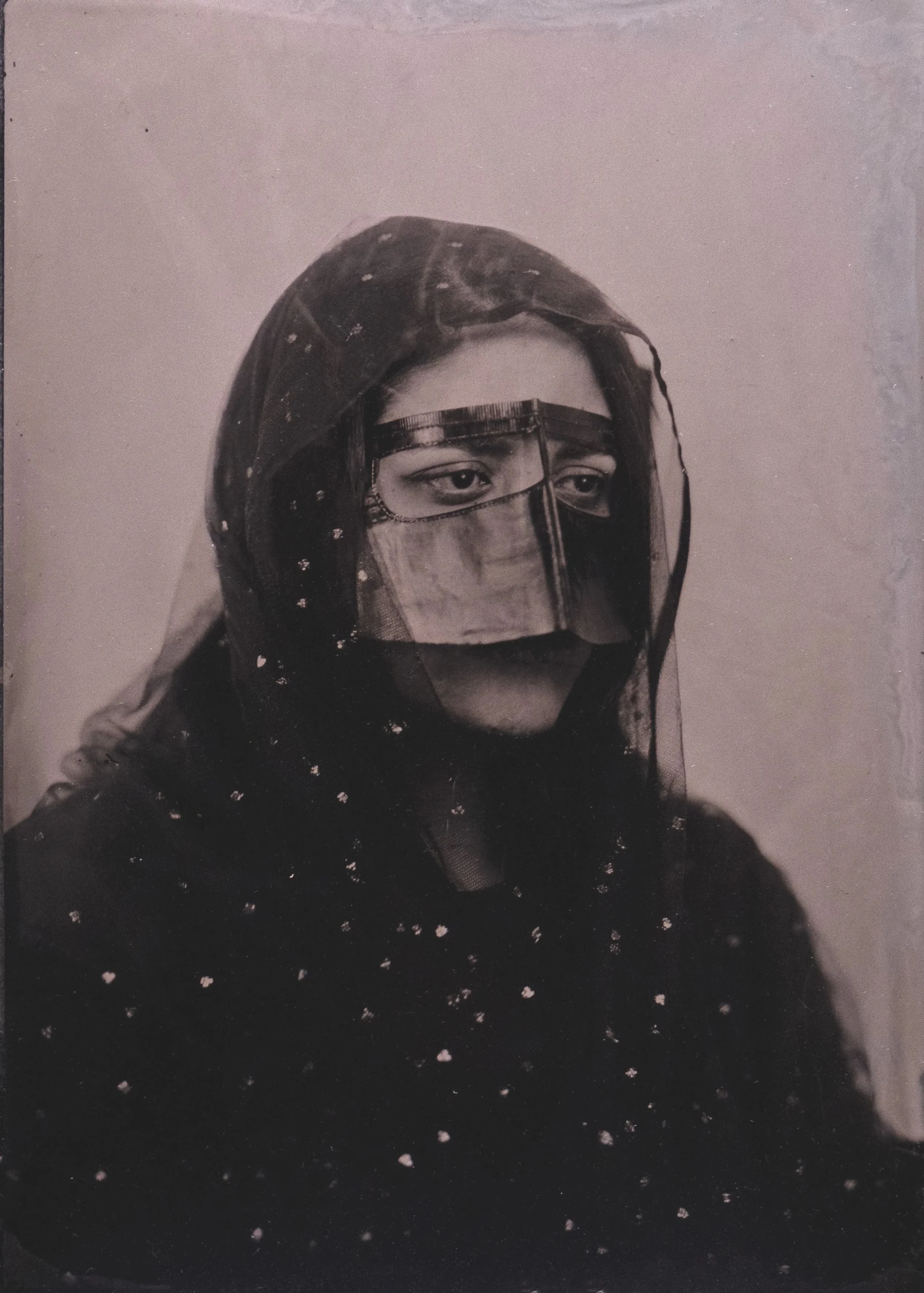
PROJECTS MENTORED
-
1. What is the focus of your sessions and what techniques do you teach?
My primary focus is on one-to-one mentorship for artists working on conceptual photography projects, covering the process from concept to technical execution using heritage methods like wet collodion.
2. How can I check your availability and book a session?
For one-to-one sessions, my availability usually covers Wednesday to Friday, with occasional Saturdays and Sundays available upon request (weekends tend to book fast in advance). You can check availability calendar here
3. Can I work from a digital file or existing negative?
Yes, it is possible to work from a digital file for reproduction, or we can set up a scene in the darkroom.
For digital files: Images should generally be black and white, 300 dpi, and mirrored/flipped horizontally.
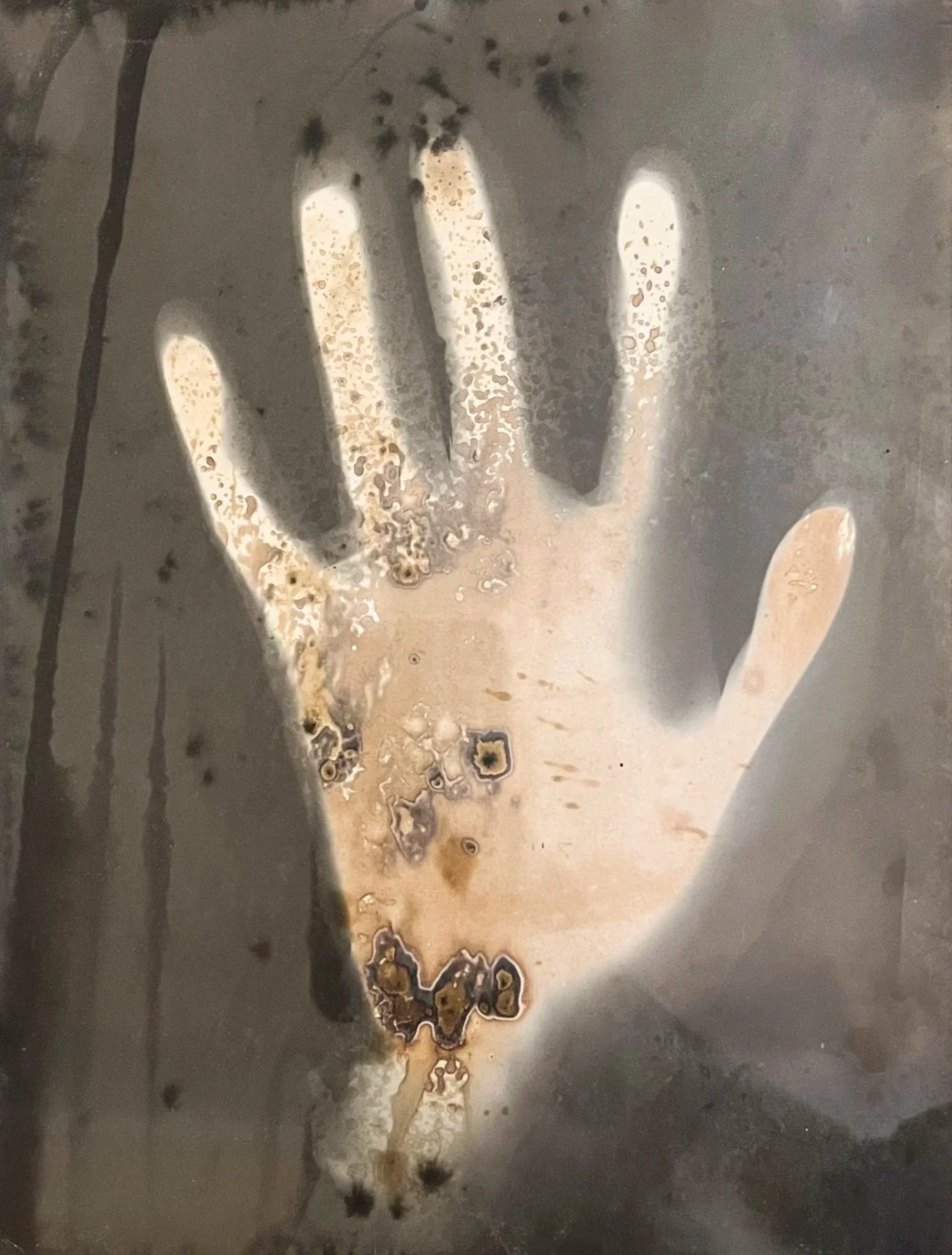
Process Considerations: For Salted Paper, high-contrast images are preferred. For Mordancage, images require areas of deep black for the effect to work. Bringing your own black and white film negatives is the most efficient method for processes like Mordançage.
4.What do I need to bring to the workshop? Please bring your own lunch and wear comfortable working clothes, as the studio can get cold. Sessions are 11-5pm unless agreed otherwise.
5. Grant applications Many of the artists working with me apply for grants and funding such as Arts Council England DYCP or Arts Council Wales . You can use pricing above for one or two day budgeting when submitting your applications & enquire about personalised quote for longer collaborations.
6.Can you accommodate specific accessibility or safety needs?
Yes. I have experience structuring inclusive sessions for diverse learners, including neurodivergent practitioners. My studio is a relaxed and open space. English proficiency is usually not a concern, I work with practitioners from all parts of the world.
7.Payments
Payment is typically via invoice for bank transfer. Many international clients use Wise for transfers.
Credit card payment via Stripe is an option, but be aware that standard international card fees apply (typically 3.25% + 20p per transaction, plus an additional 2% if currency conversion is needed).
You can also pay by cash, or use a combination of a 20% deposit (card/bank transfer) and the remainder in cash
Instalments can be arrange on request.
You will be required to pay instalment or pay in full ( depending on the amount) in advance to secure dates.
8. Cancellations & rescheduled sessions
See full conditions here
REVIEWS
Magda Kuca's hands-on wet collodion workshop helped me understand how Julia Margaret Cameron produced her pioneering work with Victorian techniques. We spent hours in Magda's studio framing our shots and then carefully preparing the plates and fixing the images. Magda was a patient and expert guide through every step of the process. At the end it was a real thrill to hold in my hands the glass negatives we produced ourselves. I left with a lovely artifact from an engaging and informative afternoon.
Victoria Olsen, Biographer of Julia Margaret Cameron, author of From Life: Julia Margaret Cameron and Victorian Photography
Explore wet plate collodion, a 19th-century photographic process that uses silver, light and hand-prepared chemistry to create unique photographic images directly on glass or metal plates.
This intensive, hands-on workshop introduces the technical and creative possibilities of wet plate photography, from preparing photographic chemistry and working with a large-format camera to exposing, developing and finishing your own plates.
Developed in 1851, wet plate collodion remains an important photographic technique for artists interested in historic processes, materiality and experimental image-making. Each plate is a one-of-a-kind photographic object, shaped by the chemistry, materials and working methods involved.
Who is this workshop for?
Suitable for beginners, photography enthusiasts, practising photographers and artists wishing to develop specialist skills in alternative photographic processes.
Whether you want to learn wet plate collodion from scratch, refine your technique or explore its potential within a personal or conceptual project, the one-to-one format allows the session to be tailored to your experience and interests.
The course takes place in my West London artist studio and darkroom, drawing on over a decade of experience working with historic photographic techniques and teaching in arts and cultural institutions.
Course Agenda
This six-hour practical workshop covers the complete wet plate collodion process, combining technical demonstrations with supervised, hands-on practice.
Health & Safety — Safe handling of photographic chemistry, equipment and darkroom procedures.
Equipment & Darkroom Setup — Introduction to wet plate equipment, portable darkrooms, and working in the studio or on location.
Photographic Chemistry — Preparation and use of cadmium-free salted collodion, silver nitrate bath, developer, fixer and glass-cleaning solutions. Understanding chemical maturation, storage and shelf life.
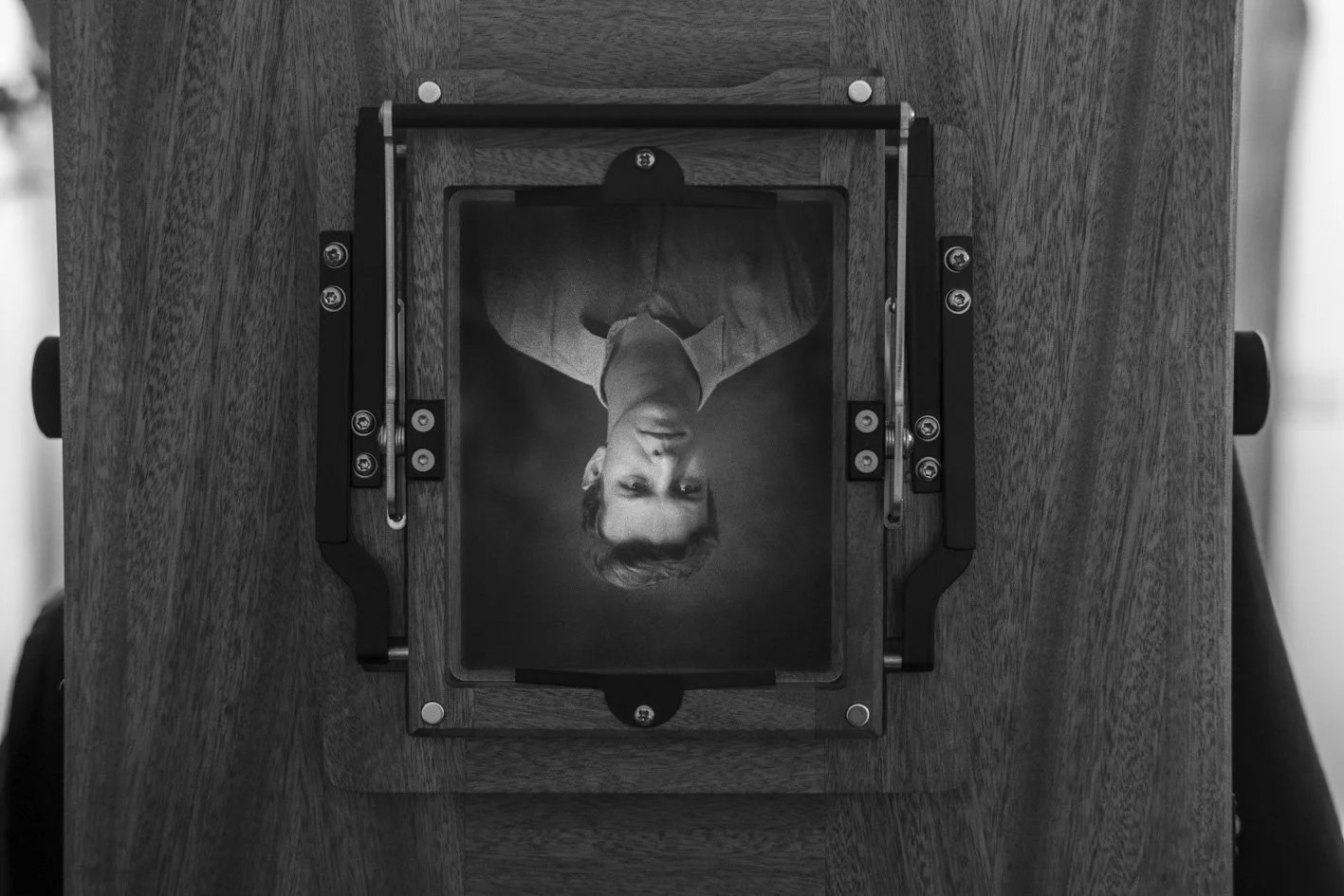
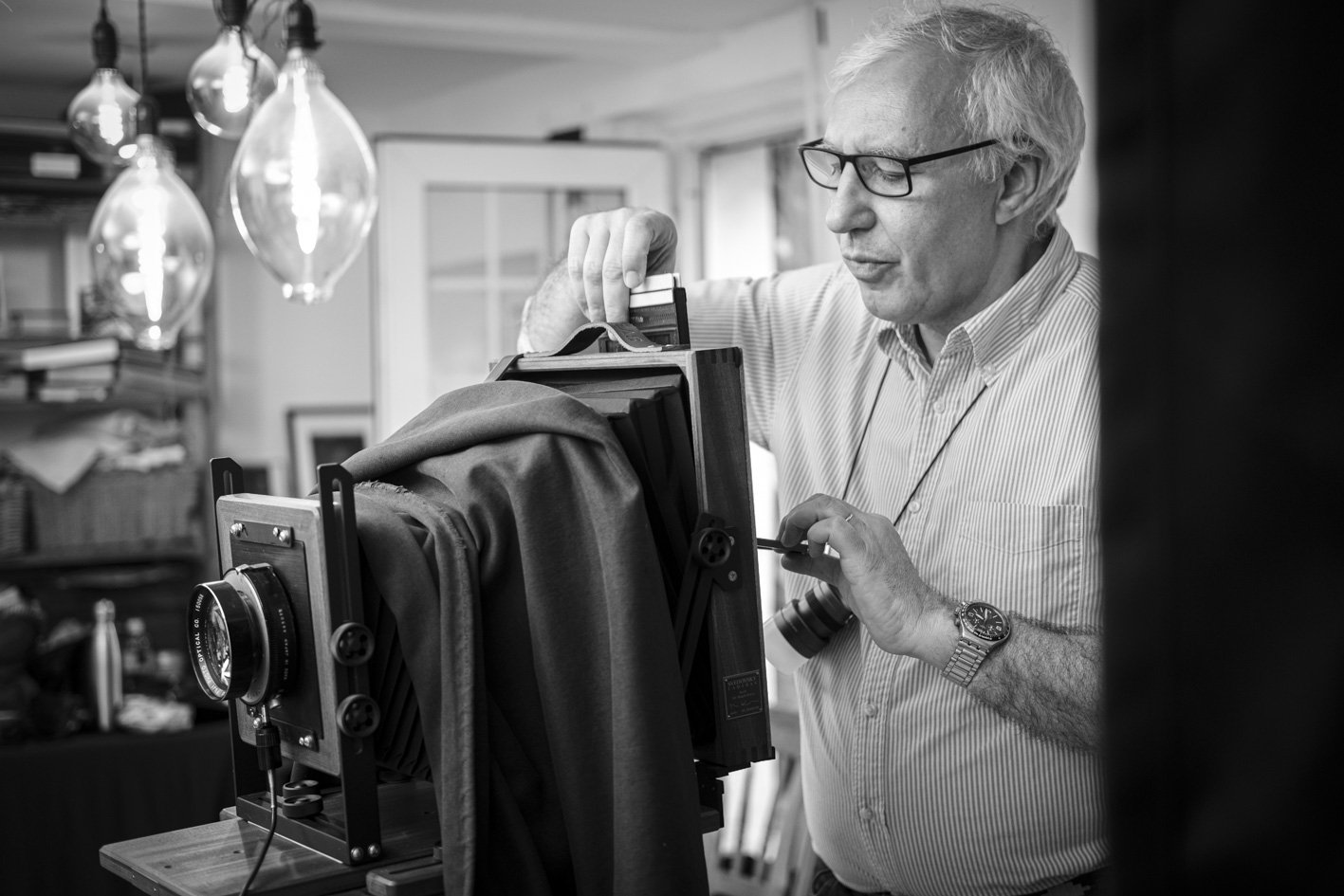
Large-Format Photography — Introduction to large-format cameras, lenses and specialised wet plate holders.
Lighting & Exposure — Studio lighting setups, light sensitivity and exposure measurement for collodion photography.
Plate Preparation — Cutting and cleaning glass, preparing metal plates, coating with collodion and sensitising in silver nitrate.
Making Your Photographs — Exposing, developing and fixing wet plate portraits or still-life compositions. You are welcome to bring objects or ideas for a personal project.
Finishing & Varnishing — Introduction to protective varnishes, finishing methods and handling completed plates.
Troubleshooting — Identifying common technical problems and developing greater control over the photographic process.
What You Will Learn
By the end of the workshop, you will have gained a practical understanding of the wet plate collodion process, including its chemistry, equipment, exposure methods and finishing techniques.
You will have the opportunity to create approximately 3–4 original wet plate photographs, depending on your chosen subjects and the pace of the session.
Beyond the technical foundations, the workshop encourages experimentation with the physical qualities of photographic materials and considers how historic processes can be used in contemporary artistic practice.
Level & Experience
All levels are welcome. Previous experience with large-format cameras or darkroom photography is helpful but not required. You will be guided through each stage of the process, with the content adapted to your existing knowledge and creative goals.
Location & Booking
Duration: One day, 6 hours
Format: Private one-to-one tuition
Price: £295 group session, £495 one day one to one , £795 two days one to one ,
Location: Artist studio,, Earl's Court, West London